Hair Keratin Treatment for Volume Control
Revitalize Your Hair: The Benefits of Hair Keratin Treatment You Need to Know
Keratin hair treatments have become increasingly popular because of their power to enhance hair texture and overall appearance. By incorporating keratin, these treatments seek to eliminate frizz and increase luster. Many individuals seek this solution for smoother, more manageable hair. Yet, the treatment and its consequences demand close attention. Grasping the details of keratin treatments enables better choices regarding one's hair care regimen. What can one anticipate from undergoing this procedure?
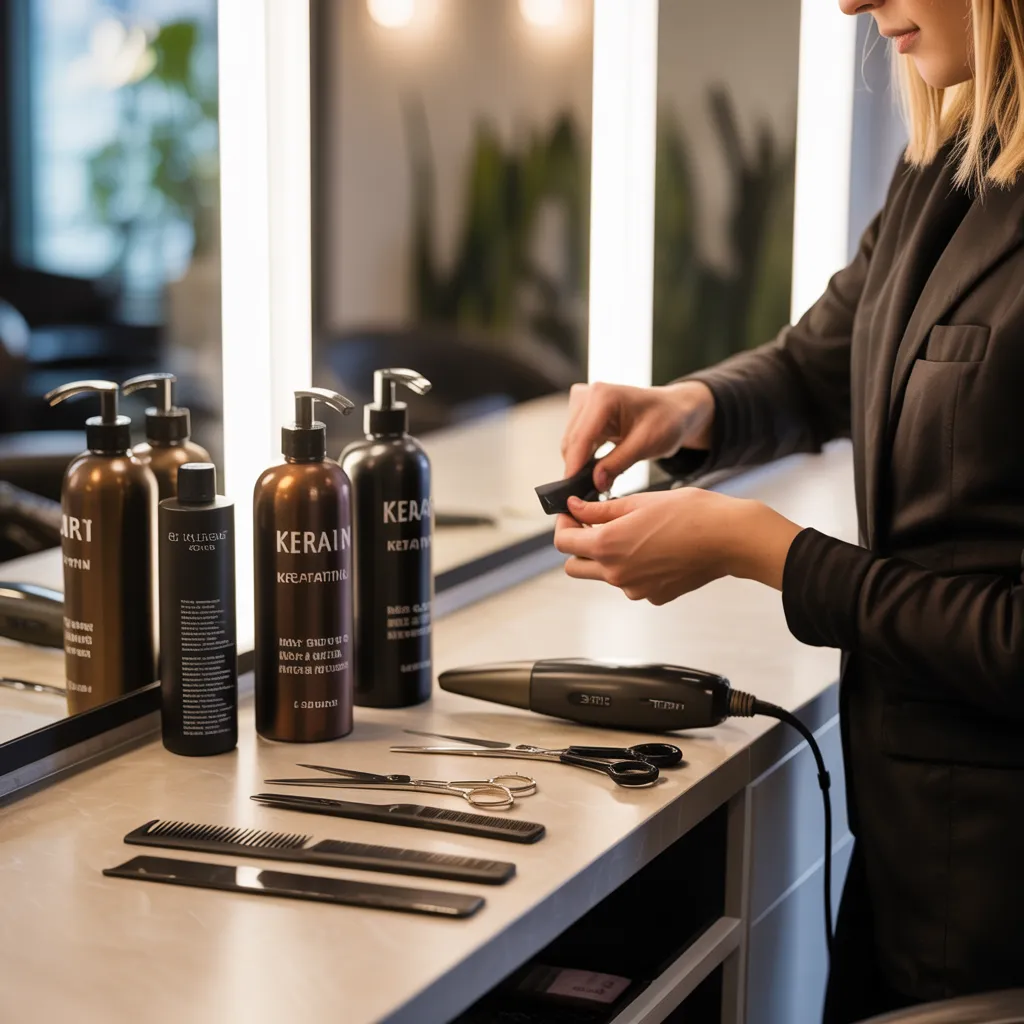
Understanding Keratin Treatments for Hair: Defining the Process and How It Works
Precisely what are hair keratin treatments, and how are they performed? Hair keratin treatments are professional salon treatments designed to smooth and strengthen hair by enriching it with keratin, a natural protein that makes up a significant portion of hair structure. In the course of the treatment, a keratin solution is applied often combined with several chemical compounds, to the hair shaft. Heat is then utilized to secure the solution, allowing the keratin to absorb into the hair more thoroughly.
The treatment works by restoring and smoothing damaged portions of the hair cuticle, resulting in a smoother surface. This method decreases frizz and increases shine, leading to more manageable hair. Generally, the effects can persist for several weeks, based on individual hair type and care routine. Overall, hair keratin treatments offer a method to improve hair texture and appearance, making it an appealing choice for those seeking to enhance their hair's health and look.
Key Benefits of Keratin Solutions for Taming Frizz
Keratin treatments deliver remarkable results for individuals dealing with frizzy hair. Primarily, these treatments work by enriching the hair with keratin, a naturally occurring protein that softens the hair cuticle. This process effectively reduces the porosity of the hair, allowing it to retain moisture and combat humidity—two well-known triggers of frizz.
Moreover, keratin treatments elevate hair handling, making it simpler to style. The sleek finish attained through these treatments not only minimizes frizz but also adds a sleek shine, giving the hair a more nourished quality.
In addition, these treatments can minimize time spent on styling; individuals spend less time using a blow dryer and flat iron. In the end, users can benefit from lasting results, allowing for minimal daily upkeep. By tackling frizz and texture directly, keratin treatments deliver a reliable solution for individuals looking for smooth, manageable hair.
How Long Do Keratin Treatments Last? A Complete Duration Guide
Keratin treatments vary in duration, usually spanning three to six months. A number of factors, such as hair type, product quality, and aftercare practices, can impact the duration of these results. Understanding maintenance tips can help prolong the effects of these treatments.
Standard Treatment Lifespan
Duration is an important factor for those contemplating a keratin treatment. Generally, a keratin treatment maintains its results for three to six months, depending on various factors such as hair type and maintenance routines. Clients often report smoother, frizz-free hair during this period, which considerably decreases the time spent styling and boosts overall manageability. The process operates by embedding keratin—an organic protein—into the hair, establishing a protective coating. With continued washing and styling, the treatment progressively wears away. Periodic touch-up appointments can sustain the results, letting clients relish their revitalized hair for a greater length of time. At its core, grasping the usual lifespan of the treatment supports clients in establishing practical expectations for their hair care routine.
Variables Influencing Duration
As many look forward to the polished results of a keratin treatment, a number of factors significantly affect how long the effects will last. First, the hair type serves a critical purpose; coarse or curly hair typically retains results longer than fine or straight hair. The quality of the keratin product used also makes a difference, as superior quality products typically offer more durable outcomes. External factors, such as humidity and exposure to sun or chlorine, can shorten the duration of the treatment's effects. Additionally, the how often hair is washed and the types of hair care products employed can markedly impact durability. Lastly, the skill level of the stylist administering the treatment can affect how well the keratin bonds to the hair, thereby affecting how long the results endure.
Maintenance Tips for Longevity
Proper maintenance is key to maximizing the duration of keratin treatments. To achieve longevity, individuals should access this information avoid washing their hair for at least 72 hours post-treatment, allowing the keratin to fully bond. At wash time, sulfate-free shampoos should be used, as sulfates have the potential to diminish the treatment's effects. Limiting hair washing to two to three times a week can also help preserve the treatment's effects. In addition, utilizing a wide-tooth comb when detangling wet hair can significantly minimize damage. It is recommended to limit contact with chlorine and saltwater, as both can compromise keratin bonds. Routine moisturizing combined with heat protectant application before styling can help prolong the treatment's effectiveness. By adhering to these care guidelines, people can experience silkier, more vibrant hair for a longer time.
What You Can Expect from Your Keratin Treatment Session
A keratin treatment session delivers a transformative experience for individuals looking for silkier, more lustrous hair. Customers should anticipate the process to require 1 to 3 hours, according to hair length and thickness. At the start of the appointment, a professional assessment is usually performed to assess hair condition and establish the ideal treatment plan.
Next, the stylist will cleanse the hair with a purifying shampoo to eliminate impurities, followed by the applying the keratin solution. The keratin solution is applied uniformly, guaranteeing full coverage. After a brief processing time, thermal heat is applied via a professional flat iron to seal the keratin treatment into each strand.
Over the course of the session, guests may notice a slight chemical scent, which is normal. As the service comes to an end, the hair will seem visibly sleeker and more controllable. Clients should depart the salon feeling thrilled about their fresh new style, knowing that the outcome can last several weeks with the right aftercare.
How to Maintain Your Keratin Treatment Aftercare
Post-treatment care is crucial for maximizing the results of a keratin treatment. It is necessary to keep hair away from moisture for the first couple of days and to use sulfate-free products to preserve hair health. These practices help preserve the treatment's benefits and enhance overall hair health.
Minimize Water Exposure
Sustaining the benefits of a keratin treatment demands careful consideration, especially in the days after the application. A key component of aftercare is minimizing water exposure. For at least 72 hours after the treatment, individuals should refrain from washing their hair or exposing it to any moisture. This includes refraining from activities that may cause sweating, such as strenuous workouts or hot showers. Water can deteriorate the keratin bonds that have been carefully incorporated into the hair, diminishing the treatment's effectiveness. Additionally, individuals should be cautious about environmental factors, such as rain or humidity. Taking these precautions will help maintain the smoothness and shine resulting from the keratin treatment, guaranteeing longevity and best results. Proper aftercare plays a critical role in maintaining beautiful, healthy hair.
Switch to Sulfate-Free Products
Upon completing the initial 72 hours of keeping hair dry, incorporating sulfate-free products becomes essential for maintaining the results of a keratin treatment. Traditional shampoos, which commonly contain sulfates, can deplete the hair's natural moisture and reduce the efficacy of the treatment. By choosing sulfate-free options, users can sustain the luster and softness resulting from keratin treatments. These products are milder for hair , working to preserve hydration and sustain the treatment's effects. Furthermore, sulfate-free shampoos frequently include nourishing ingredients that can also boost hair health. Consistent application of these products can eliminate frizz and preserve the smooth, controllable feel that keratin treatments provide, promoting enduring results and visibly healthier hair.
Risks and Considerations of Keratin Treatments
While keratin treatments offer numerous benefits for hair smoothing and shine, potential risks and considerations should not be overlooked. One primary concern is the presence of formaldehyde in some formulations, which may emit dangerous fumes throughout the application process. Extended exposure can result in breathing difficulties or skin irritation. Furthermore, people with sensitive scalps or existing allergies may suffer negative reactions, making a patch test before treatment essential.
Another consideration is the longevity of outcomes; while keratin treatments can offer a sleek finish for multiple months, maintaining the ideal style requires specific aftercare, including sulfate-free hair care products. Furthermore, frequent treatments may lead to hair becoming overly processed, leading to dryness or breakage over time.
In conclusion, it is important to speak with a professional stylist to ensure that the selected treatment is suitable for your hair type and condition, minimizing risks while maximizing benefits.
Questions We Often Receive
Are Keratin Treatments Safe for Color-Treated Hair?
Absolutely, keratin treatments can be applied on colored hair. Nevertheless, it's wise to wait at least 14 days after the coloring process to safeguard the hair's health and maximize the effectiveness of each treatment.
How Often Should I Get a Keratin Treatment?
Generally, keratin treatments can be performed every three to six months, according to your specific hair type and overall condition. Consulting with a professional stylist can provide individualized suggestions for ideal results and hair health.
Do Natural Alternatives to Keratin Treatments Exist?
Chemical-free options replacing keratin treatments feature coconut oil, argan oil, and aloe vera. These alternatives can improve the moisture and luster of hair, offering improved texture and minimized frizz free from the chemicals commonly used in standard keratin treatments.
Do Keratin Treatments Cause Hair Damage?
Keratin treatments can potentially damage hair, particularly if they contain harsh chemicals or are applied excessively. Using these treatments too often may cause dryness, breakage, or compromised strands, highlighting the necessity of professional application and appropriate aftercare.
What Ingredients Should I Avoid in Keratin Products?
People ought to steer clear of keratin treatments containing formaldehyde, sulfates, parabens, and alcohol. Such components can result in hair irritation, dryness, and damage, diminishing the general benefits of keratin applications and damaging hair integrity.